
Monday Musings (10/1/18)
Written by David Perell

It’s impressive to watch Instagram impact a multitude of places, such as fashion, art, and restaurants. I wrote about these trends before in The Algorithmic Trap and America Runs on Instagram.
Fashion: Trendy fashion is defined by big logos, bright colors, and vibrant patterns — all designed to shine on Instagram.



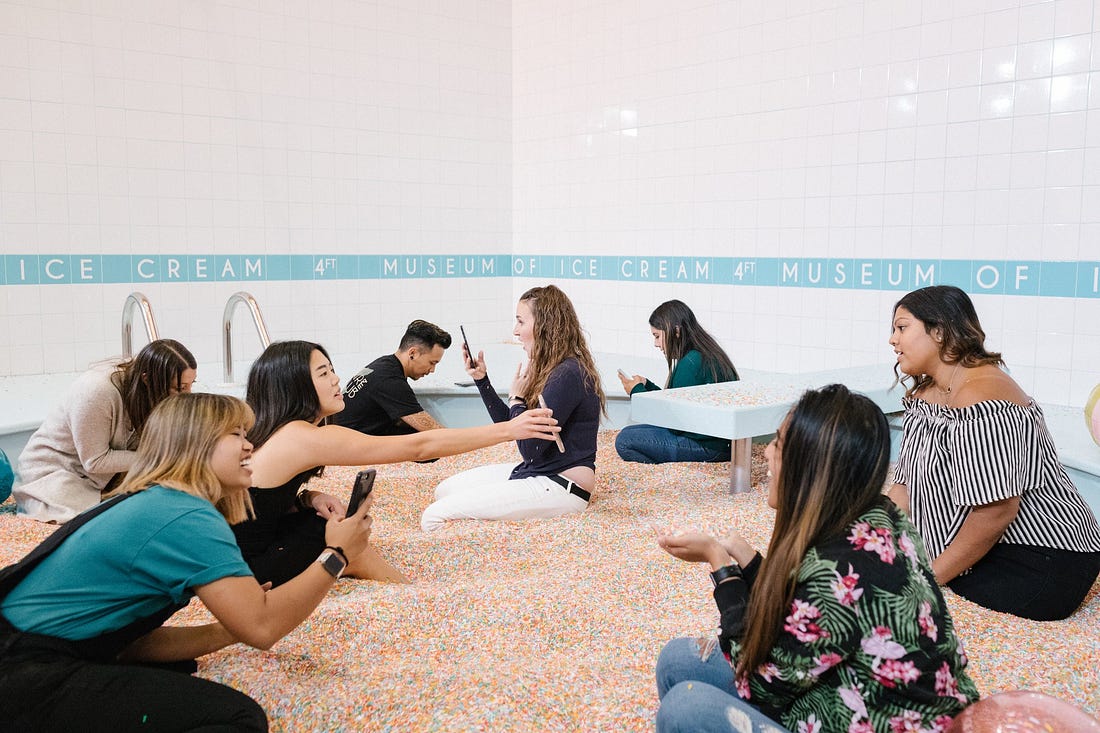
The Instagram Effect is the first chapter in a wave of changes coming to the physical world. By analyzing how digital platforms interact with real-world environments, we can understand society, identify lucrative investment opportunities, and predict the future.
Lean back, relax and grab some popcorn.
These changes are just beginning.
Fresh Ideas
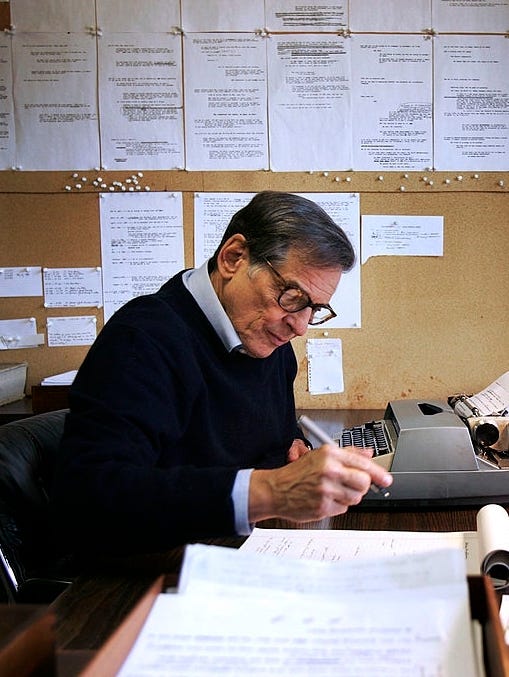
New Article — The Magic Binoculars: The Writing Secrets of Robert Caro
I wrote about Robert Caro's writing secrets.
Robert Caro is the world's greatest biographer. Over the weekend, I finished The Power Broker — a 1,200 page, 700,000 word window into the politics of New York City.
David Halberstam called The Power Broker “the greatest book ever written about a city.” Barack Obama, who read The Power Broker when he was 22, hailed it as the most influential book he’s ever read.
Psychedelic in their intensity, Caro’s descriptions will turn your hard eyes starry. As a writer, he brings scenes to life. As a reader, you're a fly on the wall.
Luckily, we can all borrow Robert Caro’s tricks.
Coolest Things I Learned This Week
The Paradox of Specificity
Creatives fear specificity. They relish wide-open territories. Instead of picking a path and making a commitment, creatives tend to stay in limbo.
Being specific isn’t as constraining as it seems. In fact, specializing often leads to more options in the long run.
Due to their clarity, specific goals galvanize support. They are easy to share and remember. As we pursue them, they grow. And as they grow, specific ideas look as infinite as the world we once thought we were running away from.
I call this “The Paradox of Specificity.”
We All Work For Google
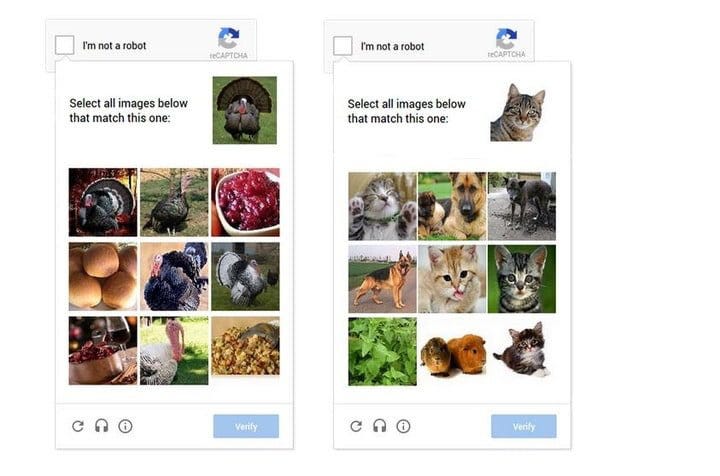
When we click "I am not a robot," we are training Google's artificial intelligence algorithms.
Ways we help Google:
When we type in the text, we’re training Google Books’ OCR text recognition software.
When we click boxes of real-world images, we’re training self-driving cars and image recognition software.

Nature vs. Man-Made Beauty
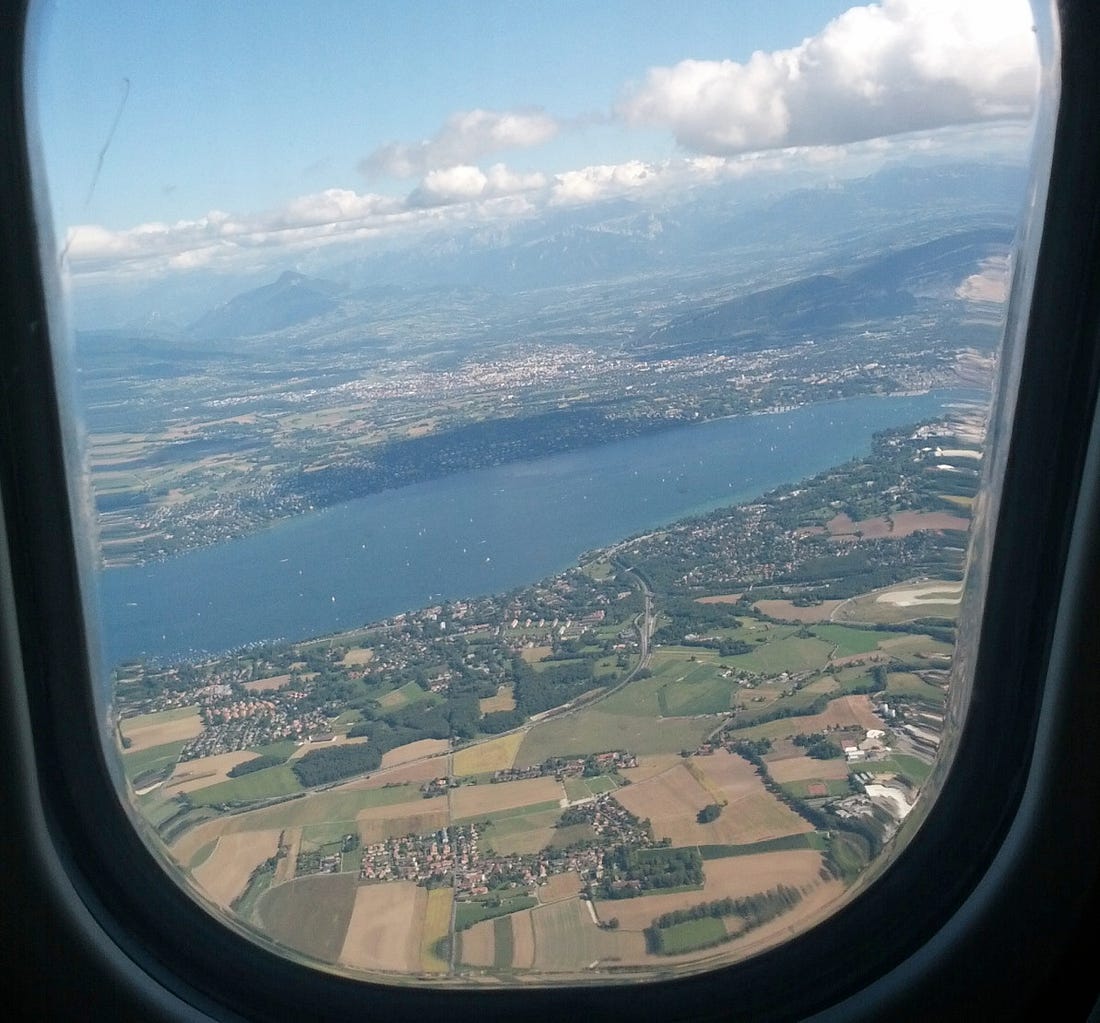
There are few straight lines in nature.
"Looking out of an airplane window, it’s quite obvious what structures are natural and what structures are manmade. The natural structures are curvy, chaotic, yet recursive. They take very, very complex patterns and project them to us in a very simple way. The man-made structures are the opposite – they take simple underlying shapes (squares, straight lines, perfect circles) and combine them in haphazard, unpredictable, and hard-to-encode ways. Looking at them is to look at a chaotic jumble of ordered elements."
How the Japanese Relate to Nature
The Japanese believe that every impulse, every natural impulse, is not to be corrected, but to be sublimated, and to be beautified. They take a glorious interest in the beauty of nature. They cooperate with it. In many Japanese gardens, you don’t know where nature begins, and art ends.

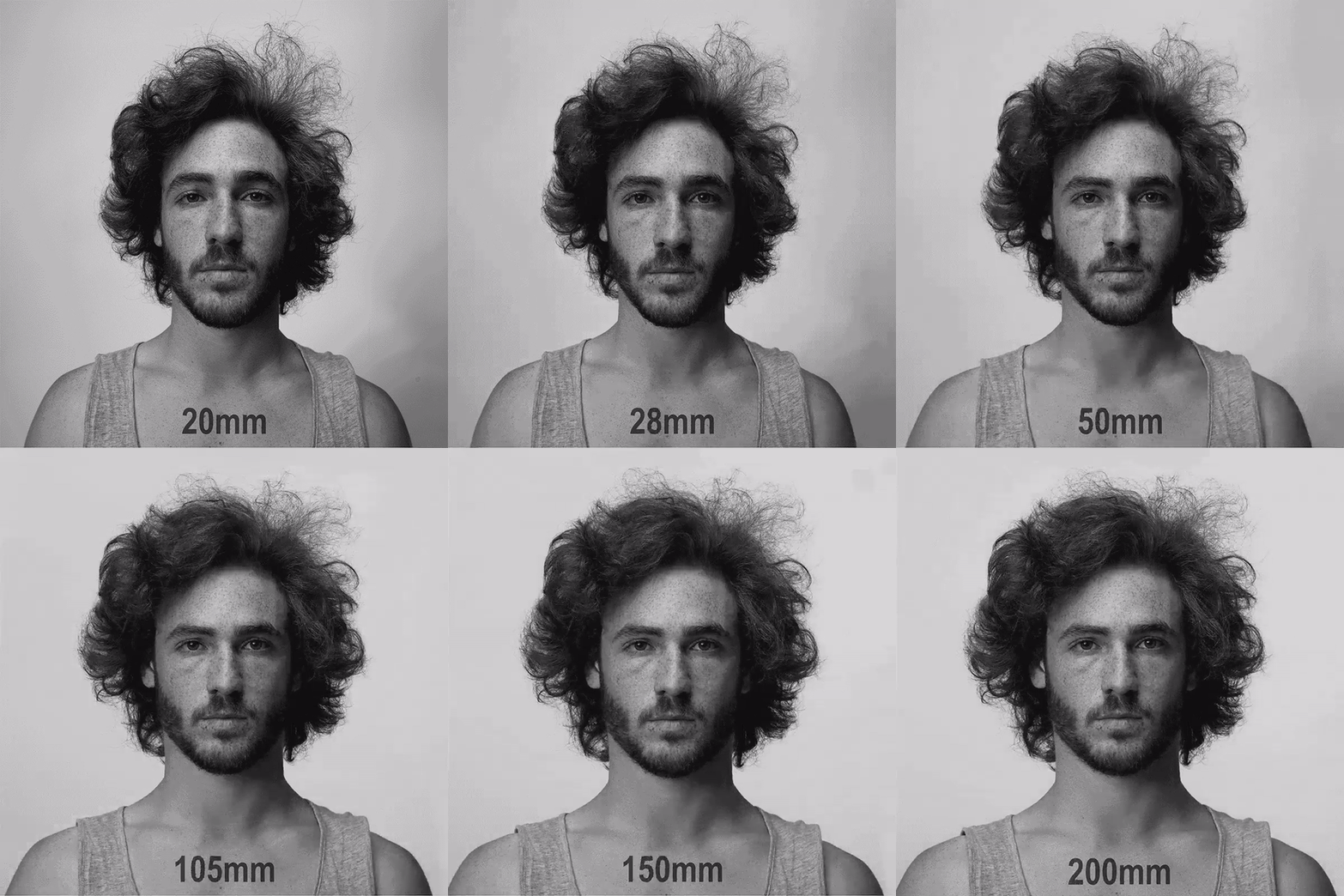
How camera lenses change the shape of your face
The 2015-2016 Recession that You Never Heard About
Neil Irwin called the recent recession “the most important, least-noticed economic event of the decade.”
A quick summary: There was an under-covered mini-recession then, one that hit manufacturing and commodity-intensive regions hard. The pain was confined mostly to the energy and agricultural sectors and to the portions of the manufacturing economy that supply them with equipment.
Spending on agricultural machinery in 2016 fell 38 percent from 2014 levels; for petroleum and natural gas structures — think oil drilling rigs — the number was down a whopping 60 percent.
Caterpillar, the maker of heavy equipment, had 30 percent lower revenue in 2016 than 2014.
You can learn more about the recession here.
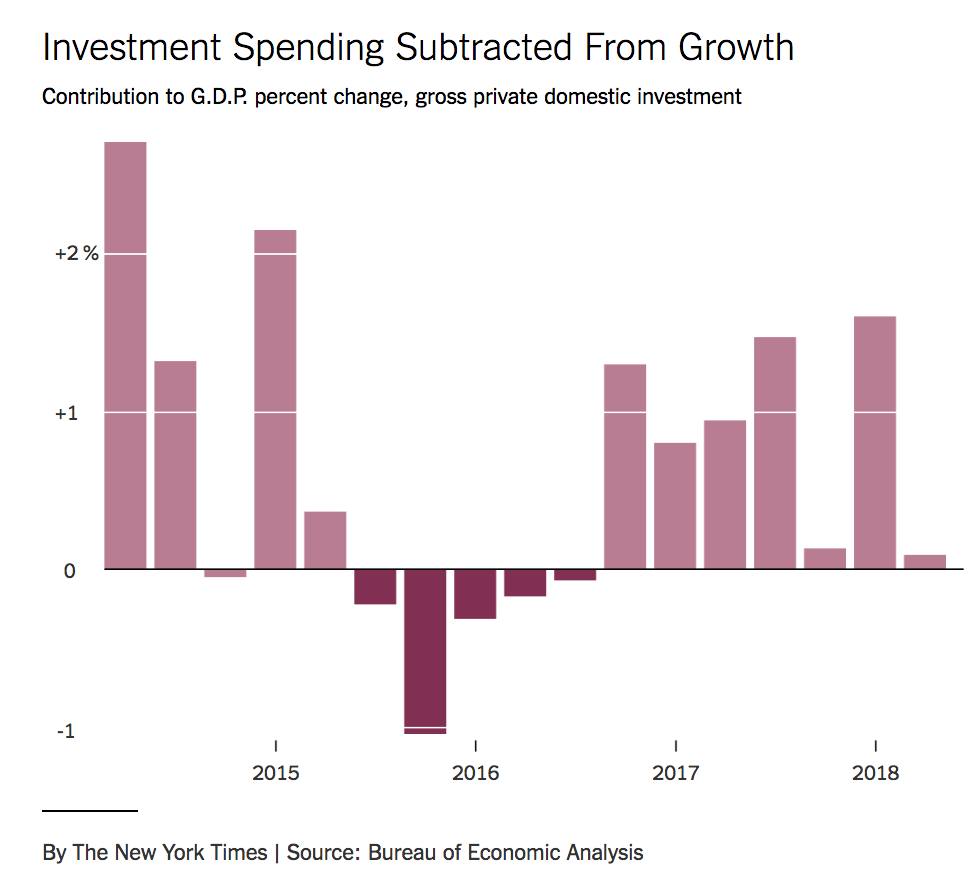
Photo of the Week
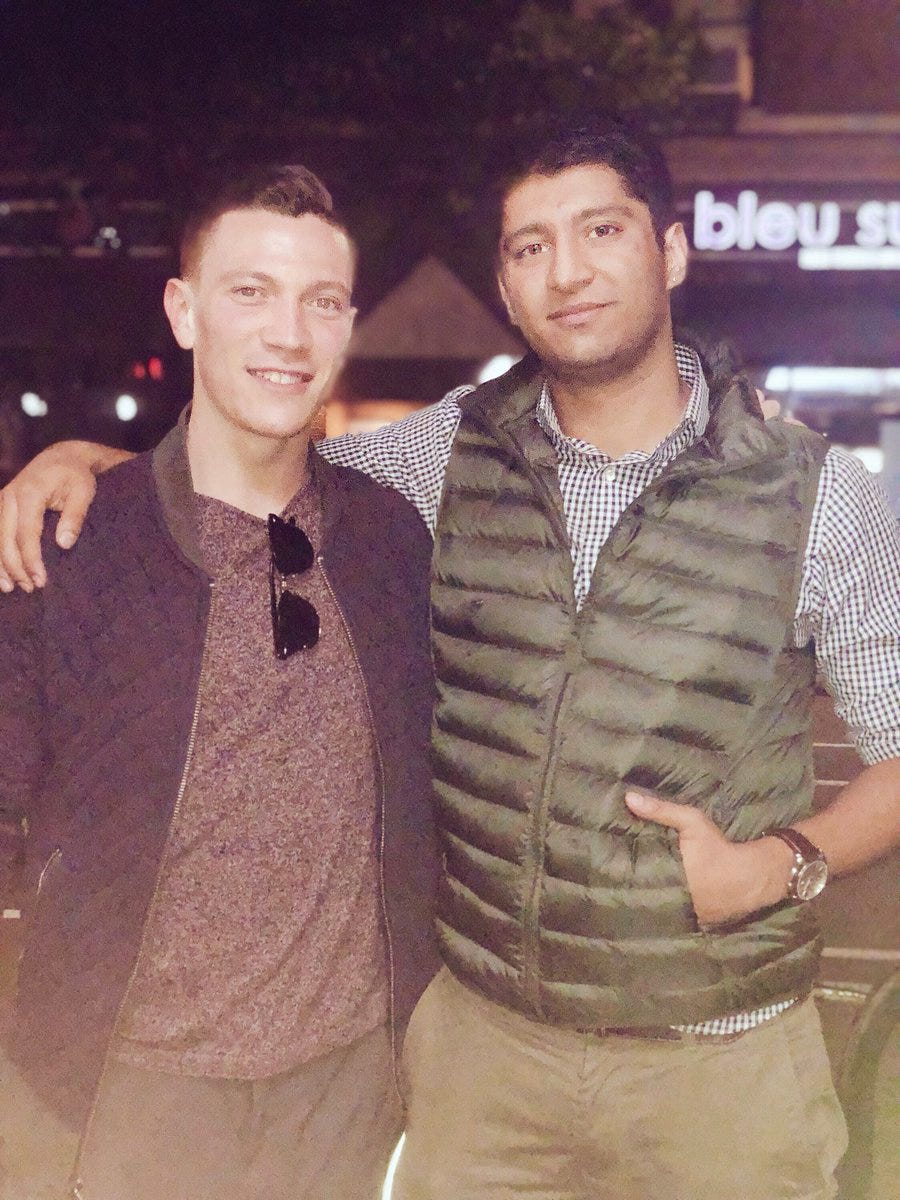

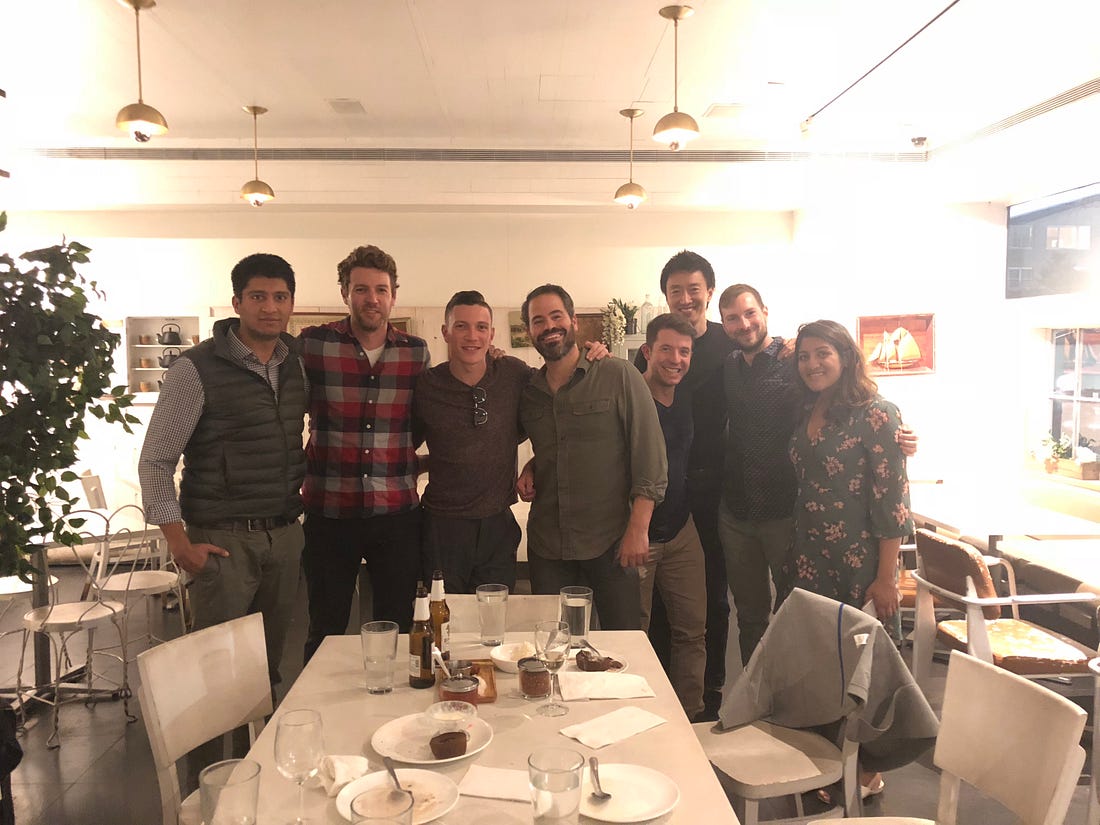
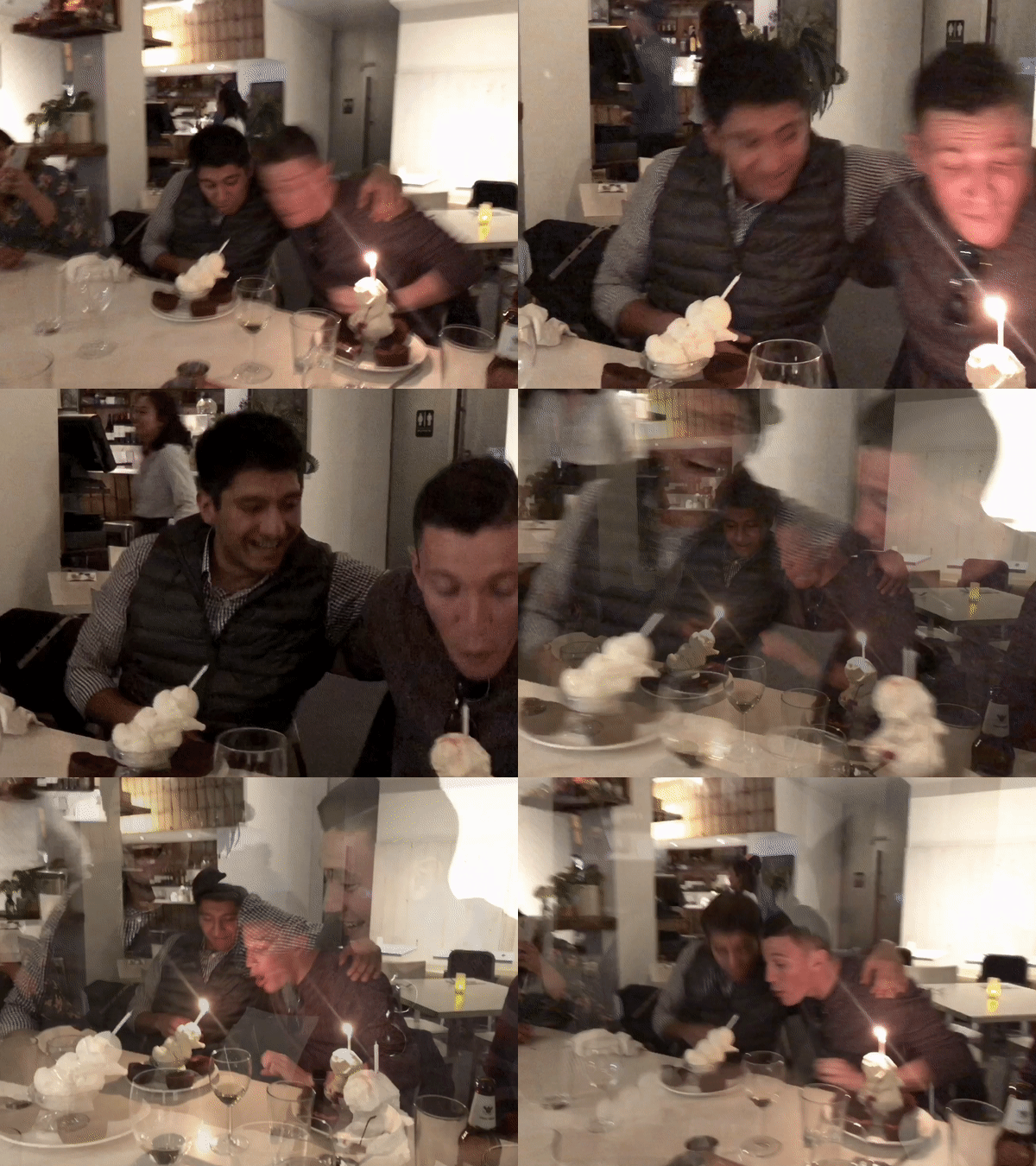
Such a treat to celebrate friends and co-host a birthday fiesta with my friend Arjun. I accidentally blew out his birthday candle. Oops!
Until next week,
David Perell